You switched to plants. Good for you. Now your joints hurt. Your skin feels dry. And someone at a party told you your brain needs fish oil. That person is not wrong about omega-3s. But they are wrong about the source.
I have eaten omega 3 plant based foods exclusively for four years. No fish. No krill. No capsules that taste like low tide.
Here is what actually works. And what is a waste of chewing.
The Problem Nobody Mentions (ALA vs DHA)
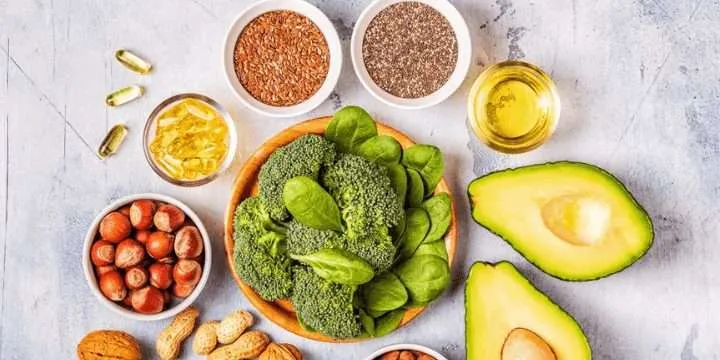
Plants give you ALA. Fish give you DHA and EPA.
Your body converts ALA to DHA. But the conversion rate stinks. Some studies say 5%. Others say 1% for DHA.
Read Also: Is Pho Healthy Food? Benefits, Calories & Nutrition Guide
I learned this the hard way. Ate flax seeds like popcorn for three months. My blood work showed low omega-3 index. My doctor looked at me funny.
So here is the truth. You need two things. High ALA intake. Plus a direct DHA source.
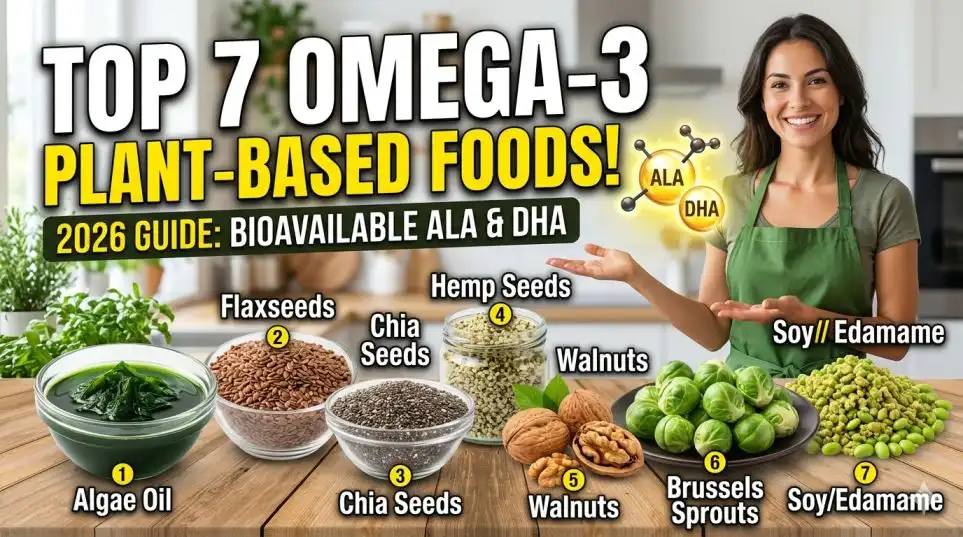
Seven foods below. The first five are ALA powerhouses. The last two give you actual DHA.
Top 7 Omega-3 Plant-Based Foods
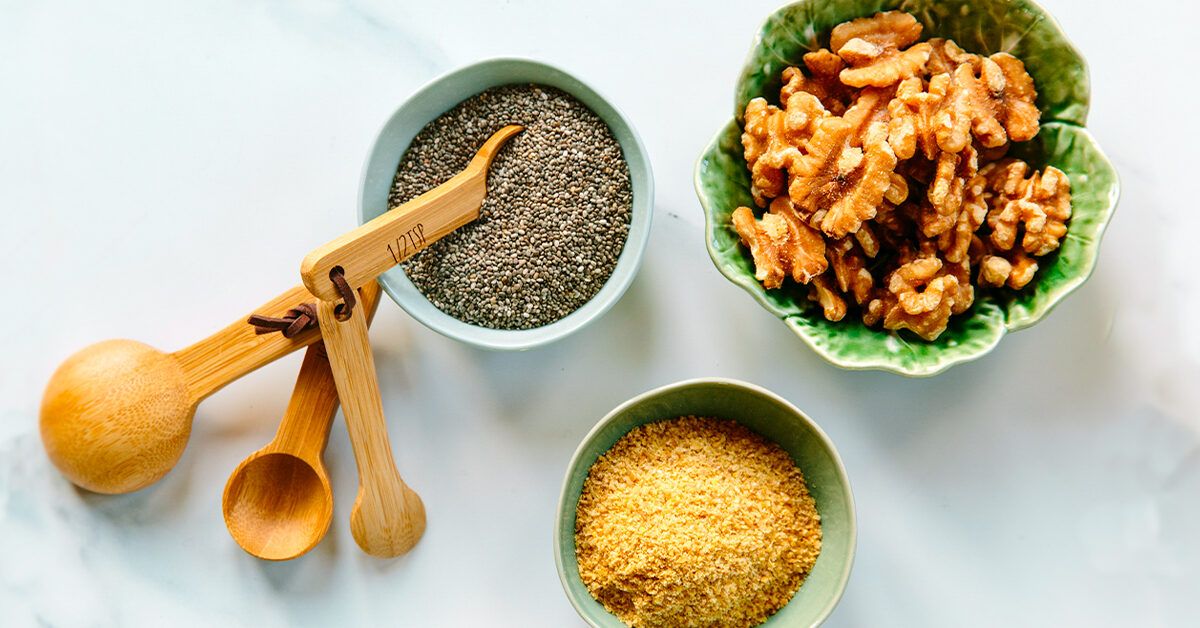
1. Flax Seeds (The King of ALA)
One tablespoon of ground flax seeds has 1.6 grams of ALA.
That is the highest concentration of any whole food.
How I eat them: Ground, never whole. Whole seeds pass right through you. I learned this after finding them in places you do not want to find seeds.
Best for: People on a tight budget. You cannot beat the price per gram.
Not for: Anyone who hates nutty flavors. Flax tastes like… well, nuts and dirt.
One morning I put two tablespoons in my oatmeal. Also added chia seeds. Also added walnuts. My breakfast had 8 grams of ALA. That is enough for two days. Do not overdo it. Too much fiber leads to bathroom emergencies.
2. Chia Seeds (The Hydration Hero)
Same ALA as flax. But chia has a party trick.
It absorbs 10 times its weight in water.
Why that matters: The gel coating protects the oil from oxidation. Your body absorbs more of the good stuff.
I mix 20 grams of chia into 16 ounces of water. Add lemon juice and a little maple syrup. Let it sit for 20 minutes. Drink the gel. No chewing required.
Best for: People who forget to eat breakfast. The gel keeps you full until noon.
Not for: Texture sensitive eaters. Chia gel feels like drinking frog eggs. I am not kidding.
Watch out for: Black chia vs white chia. Same nutrition. White chia hides better in light colored foods. Black chia looks like specks in your yogurt.
I tried the whole "chia seed pudding" trend. Coconut milk. Vanilla. Berries. Tasted fine. But 400 calories for a snack? No thanks. Stick to the drink.
3. Walnuts (The Snack That Works)
One ounce of walnuts. That is about 14 halves. 2.5 grams of ALA.
Walnuts also give you copper and manganese. Two minerals most plant eaters miss.
How I buy them: Raw and unsalted. Roasted walnuts lose some ALA to heat. Salted walnuts make me drink too much water.
I keep a small jar on my desk. Grab a handful when I want chips. The fat kills the craving.
Best for: Office workers. No prep. No mess. No refrigerator needed.
Not for: People with jaw problems. Walnuts are crunchy. Like really crunchy.
The problem: Walnuts go rancid fast. Smell them before you buy. If they smell like Play-Doh or paint thinner, walk away.
Whole Foods bulk section rotates stock quickly. The bagged walnuts at the grocery store? Sometimes they sit for months. I bought a bag of rancid walnuts once. Took one bite. Spit it out. Returned the whole bag.
Store walnuts in the freezer. Not the pantry. The freezer keeps them fresh for six months.
4. Hemp Seeds (The Complete Protein Surprise)
Hemp seeds give you 1 gram of ALA per tablespoon. Lower than flax. But here is the kicker.
You Must Also Like: A Fit Philosophy: Healthy Gluten-Free Easy Recipes
Hemp has the perfect 3:1 ratio of omega-6 to omega-3. Most plant eaters get too much omega-6. Hemp balances that.
The texture: Soft. Like tiny pine nuts. No grinding needed. No gel. No crunch.
How I use them: Sprinkle on avocado toast. Mix into salad dressing. Blend into smoothies.
Best for: People who hate chewing seeds. Hemp seeds just disappear into food.
Not for: Anyone subject to drug tests. Hemp seeds have trace THC. Not enough to get high. Enough to pop positive on a sensitive test. This happened to a friend in the military. He lost his clearance for six months.
What to buy: Shelled hemp seeds (hearts). The whole seeds have a hard shell you cannot digest.
Costco sells a two pound bag for $12. That is the best deal I have found. The small bags at regular grocery stores cost three times as much per ounce.
5. Edamame (The Savory Option)
Most omega 3 plant based foods lists forget edamame. You replace a meat meal. You lower your omega-6 to omega-3 ratio. Win win.
How I eat them: Frozen, steamed, salted. That is it. Do not overcomplicate.
Best for: People who want a hot savory snack. Chips are empty calories. Edamame gives you something real.
Not for: Soy avoiders. Some people legitimately cannot process soy. If that is you, skip this one.
The catch: Most restaurants serve edamame with too much salt. Make your own. One bag of frozen shelled edamame costs $3. Boil for 5 minutes. Drain. Add a pinch of sea salt.
I tried the dried edamame snacks. The ones in the chip aisle. They are fine. But the roasting process damages some ALA. Stick to frozen.
6. Algae Oil (The Only Reliable DHA Source)
Here is where we get serious.
No plant gives you meaningful DHA. Not one. Every vegan influencer who claims otherwise is selling you something.
Algae is the original source. Fish eat algae. That is how fish get DHA.
Skip the fish. Eat the algae directly.
Not for: People who hate swallowing softgels. Algae oil liquid exists. It tastes like nothing. But the texture is oily. Some people gag.
The math: You need 250-500mg of DHA per day. One algae softgel covers that. Two if you are pregnant or have a family history of dementia.
I tried the cheaper algae oils. The ones for $20. They smelled like low tide. That means oxidation. Oxidation means the oil went bad before you bought it. Pay for quality.
Do not buy algae oil in clear plastic bottles. Light destroys DHA. Dark glass or bust.
7. Seaweed and Spirulina (The Supplemental Helpers)
Seaweed gives you small amounts of DHA. Very small.
One sheet of nori has 5mg of DHA. You would need 50 sheets to match one algae softgel.
So why bother?
Because: Seaweed gives you iodine. Most plant eaters are low in iodine.
I grew my own spirulina once. Bought a kit online. The tank grew something green. Also grew something fuzzy. Never again. Leave it to the professionals.
How Much Omega-3 Per Day? (Real Numbers)
The standard recommendation: 1.6 grams of ALA for men. 1.1 grams for women.
Those numbers are for fish eaters. Plant eaters need more because of the poor conversion.
My daily target: 4 grams of ALA plus 500mg of DHA from algae.
What that looks like:
-
1 tablespoon ground flax (1.6g ALA)
-
1 ounce walnuts (2.5g ALA)
-
1 algae softgel (500mg DHA)
Done. That is it. Three items. Fifteen seconds of effort.
Do not chase huge numbers. More than 5 grams of ALA per day offers no extra benefit. Your body can only convert so much.
The Omega-6 Problem (And Why It Matters)
Most omega 3 and omega 6 foods lists ignore the ratio.
You need balance. Too much omega-6 blocks ALA conversion.
High omega-6 plant foods to limit:
-
Sunflower seeds
-
Pumpkin seeds (sorry, I know you love them)
-
Sesame seeds (tahini counts)
-
Corn oil
-
Soybean oil
Switched to walnuts and flax. Ratio dropped to 4:1 in three months. Read labels. Everything has soybean oil. Chips. Crackers. Salad dressing. Even some "healthy" veggie burgers.
A Typical Day of Omega-3 Plant Based Foods (My Actual Log)
Breakfast: Oatmeal with 1 tablespoon ground flax and a handful of walnuts.
Lunch: Big salad with edamame and hemp seed dressing.
Snack: Roasted nori sheets.
Dinner: Stir fry with tofu and broccoli. No oil. Just water sauté.
Before bed: Algae softgel.
Total ALA: 4.2 grams. Total DHA: 500mg. Total omega-6: kept low by avoiding seed oils.
My blood work after six months of this: Omega-3 index of 7.2%. Anything above 6% is considered low risk for heart disease.
Foods That Claim Omega-3s But Lie
Watch out for marketing tricks.
Fortified plant milks: They add algal DHA. Then they put the carton in clear plastic on a shelf under fluorescent lights. The DHA degrades within weeks. Buy shelf stable milks in opaque cartons.
Hemp milk: Made from hemp seeds but heavily diluted. One cup has 0.2 grams of ALA. You would need 20 cups to get a real dose.
Flax crackers: The baking process destroys most of the ALA. Eat whole flax seeds instead.
I bought a box of "omega-3 enriched" granola bars. The label said 500mg ALA per bar. I ate two bars a day for a month. My blood work did not change. The ALA was dead before I opened the box.
When to Skip Plant Sources (Honest Advice)
Plant omega-3s are not for everyone.
Stick to fish or fish oil if:
-
You have a genetic mutation that impairs conversion (get tested)
-
You have active inflammatory disease (rheumatoid arthritis, Crohn's)
-
You tried plant sources for six months and your blood work still looks bad
I am plant based by choice. But I do not judge people who need fish oil. Your health comes first.
Final Thoughts
Build your plate around flax seeds, walnuts, and edamame. Add algae oil for DHA. Keep your omega-6 low by avoiding seed oils. That is the whole system.
No expensive powders. No complicated recipes. No eating 20 things a day. I spent four years figuring this out so you do not have to. Start with ground flax in your oatmeal tomorrow morning. Buy a bag of walnuts on your way home. Order algae oil online tonight.
Your joints will thank you. Your brain will thank you. And you never have to choke down a fish oil burp again.