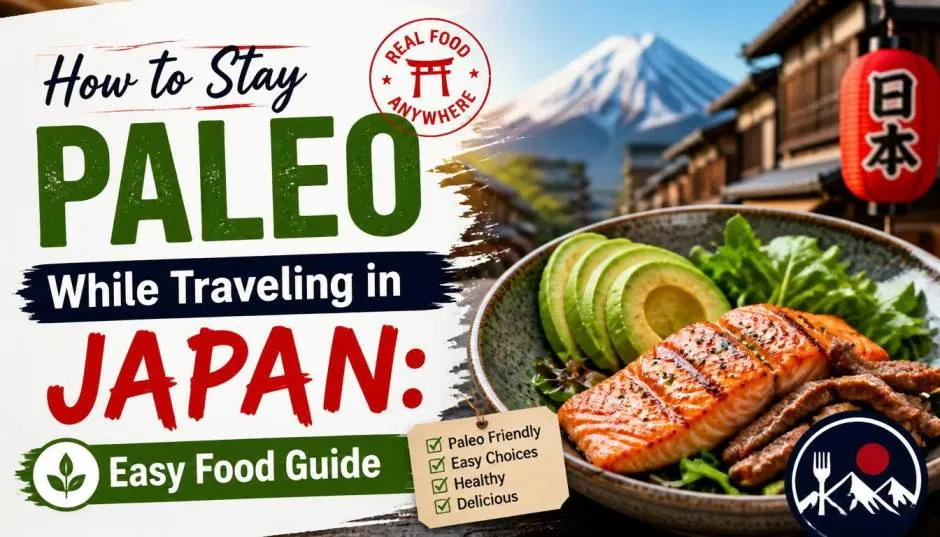
Japan is a food lover's paradise, but for anyone following a paleo lifestyle, it can feel like walking through a minefield. Rice is everywhere. Soy sauce lurks in almost everything. And those beautiful bento boxes? Often packed with processed carbs and hidden sugars.
I traveled through Japan for three weeks while staying strictly paleo. It wasn't always easy, but it was absolutely doable. Here's exactly what I learned about how to stay paleo while traveling in Japan without feeling like you're missing out.
Why Japan Is Both Challenging and Amazing for Paleo Travelers?
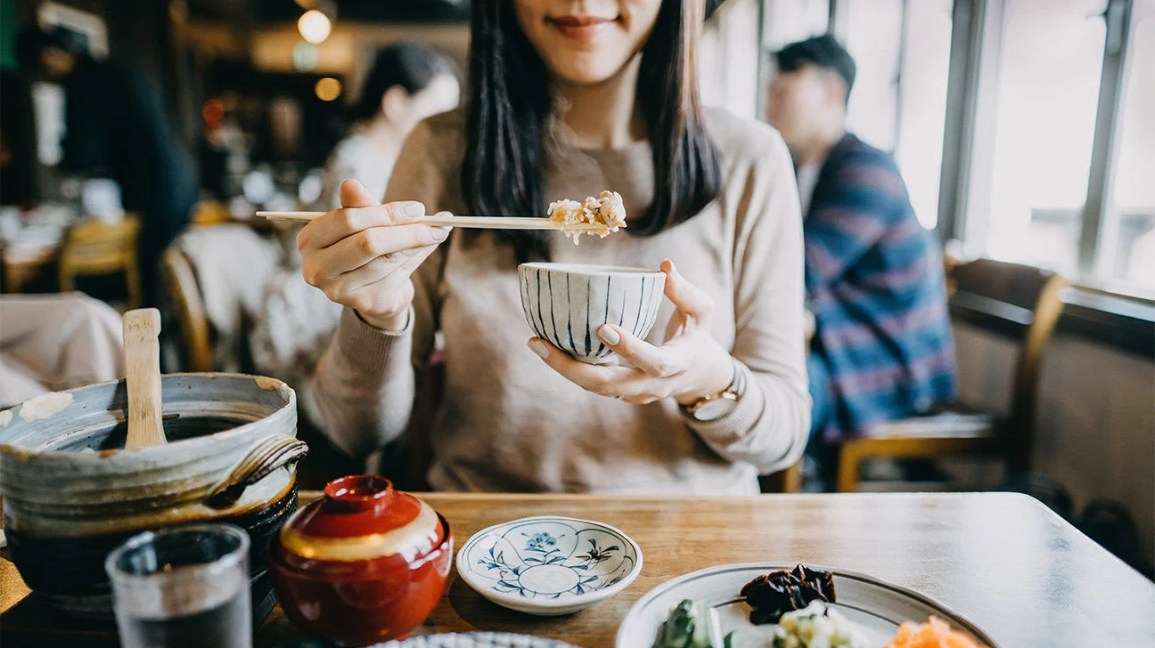
Japanese cuisine is famous for being healthy, but the traditional diet relies heavily on rice, noodles, and soy products . This creates obvious conflicts with paleo principles.
Even dishes that appear safe often contain hidden non-paleo ingredients. Dashi (fish stock) appears in soups, sauces, and simmered dishes. Soy sauce contains wheat. Miso is fermented soy.
Read Also: The Ultimate Paleo Road Trip Meal Prep Guide: Stay Lean And Energized on the Go
But here's the good news. Japan offers incredible fresh seafood, high-quality meats, and seasonal vegetables that make paleo eating possible . You just need to know where to look and what to order.
How to Stay Healthy in Japan While Traveling?
Learning how to stay healthy in Japan starts with understanding what's available. The key is seeking out whole, unprocessed foods rather than falling into the convenience store trap.
Your Best Paleo Options in Japan
Yakiniku (Japanese BBQ)
This is your paleo heaven. You grill your own meat and vegetables at the table. Choose plain cuts of beef, pork, or chicken. Avoid the sauces which often contain sugar and soy. Stick to salt and pepper. I ate yakiniku four times during my trip and never felt restricted.
Yakitori (Grilled Chicken Skewers)
Chicken and vegetable skewers cooked over charcoal. The salt option (shio) keeps things clean. Skip the tare (sweet soy glaze). Most yakitori places offer chicken breast, thigh, liver, and vegetable options like asparagus wrapped in pork.
Shabu Shabu
Thinly sliced meat and vegetables cooked in a hot pot. Choose a plain kombu (seaweed) broth. Ask them to hold the noodles. The dipping sauces are usually non-paleo, so I brought my own coconut aminos .
Sashimi
Fresh, raw seafood without rice. This is naturally paleo. Just skip the soy sauce or bring your own substitute. I carried a small bottle of coconut aminos in my bag and used it throughout my trip .
Essential Japanese Healthy Lifestyle Habits Worth Adopting
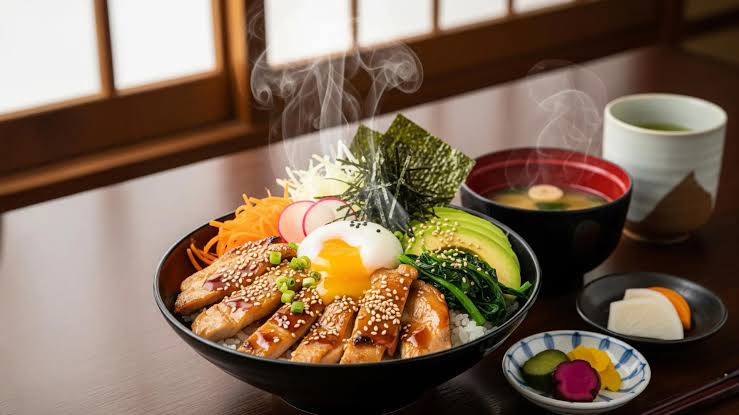
Beyond just finding paleo food, Japan offers Japanese healthy lifestyle habits that actually support your wellness goals. These practices work regardless of your dietary choices.
You Must Also Like: High Protein Paleo Travel Snacks for Satiety: The Complete Portable Guide
Hara-Hachi-Bu: The 80% Rule
This Okinawan principle means eating until you're 80% full rather than completely stuffed . It's a mindful approach that prevents overeating. I found this especially helpful when faced with limited paleo options. I'd eat slowly, stop early, and feel satisfied without the heavy, overfull sensation.
Shokuiku: Food Education
Japan has a government-led initiative called Shokuiku that teaches citizens about food and nutrition . This cultural emphasis on food awareness means Japanese people genuinely understand what they're eating. Restaurant staff are more likely to accommodate dietary needs if you explain them clearly.
Mindful Eating Culture
The Japanese approach food with intention. Meals are presented beautifully. People eat slowly. There's an appreciation for seasonal ingredients. Adopting this mindfulness helps you enjoy your paleo choices rather than focusing on what you're missing.
How to Eat Healthy in Japan as a Tourist?
Wondering how to eat healthy in Japan as a tourist without speaking Japanese? I've got you covered.
Use Translation Cards
Print or save a Japanese translation card explaining your dietary restrictions. Be specific: "I cannot eat rice, noodles, soy sauce, sugar, or anything with wheat or corn." The word "vegetarian" is understood differently in Japan, so being specific about what you can't eat works better .
Visit Department Store Food Halls (Depachika)
These underground food halls are goldmines for paleo travelers. You'll find grilled fish, roasted meats, vegetable dishes, and salads made fresh daily . They're designed for locals, not tourists, which means real food without tourist markups.
Check Supermarkets
Larger supermarkets have salad bars, steamed vegetable sections, and fresh seafood. You can buy pre-cooked meats and vegetables to create your own paleo meal .
Be Selective at Convenience Stores
Konbini (convenience stores) are tempting because they're everywhere. But not everything is healthy. Look for:
-
Hard-boiled eggs (called "onsen tamago")
-
Pre-packaged salads with dressing on the side
-
Plain yogurt (check for added sugar)
-
Onigiri with salmon or tuna and remove the rice
Skip the deep-fried items, sweetened drinks, and anything with thick sauces .
Foods to Avoid and What to Choose Instead
| Avoid | Choose Instead |
|---|---|
| Soy sauce (contains wheat) | Coconut aminos (bring your own) |
| Miso (fermented soy) | Salt and pepper |
| Rice and noodles | Extra vegetables or salad |
| Sweet sauces (teriyaki, etc.) | Plain grilled meats |
| Tempura (deep-fried in wheat flour) | Sashimi or grilled fish |
| Processed convenience foods | Fresh items from depachika or supermarkets |
Simple Paleo Phrases in Japanese
Learning a few key phrases helped me immensely:
-
"Kome o nuku" (omit rice)
-
"SÅsu nashi" (no sauce)
-
"Shio dake" (salt only)
-
"Niku to yasai dake onegaishimasu" (meat and vegetables only, please)
Common Paleo Mistakes in Japan
Assuming Sushi Is Safe
Sushi comes with rice. That's not paleo. Order sashimi instead.
Forgetting About Dashi
This fish-based stock appears in many seemingly vegetable dishes. Ask if dishes contain "dashi" before ordering.
Overlooking Sugar
Japanese sauces and marinades often contain sugar. Ask for "shio" or "ajitsuke nashi" (no seasoning).
Food Safety and Practical Tips
Japan has excellent food safety standards . Tap water is safe to drink everywhere. The raw seafood is generally safe, but if you're sensitive, order items grilled or cooked .
Be aware that in 2024, a NIH study highlighted that while Japan's food safety standards are high, some travelers may experience stomach upset from raw seafood . When in doubt, ask for cooked options.
The Final Thoughts
You can stay paleo while traveling in Japan. It requires planning, patience, and the willingness to ask questions. But Japan offers some of the freshest, highest-quality meat and seafood in the world. Take advantage of that.
Skip the ramen queues. Ignore the TikTok hype . Focus on the simple, whole foods that Japan does so well. Your paleo lifestyle doesn't have to take a vacation just because you're traveling.