Traveling internationally while staying Paleo is hard. I know this because I’ve done it. I’ve eaten cold sweet potato wrapped in foil at a German train station.
I’ve explained “no bread, no rice, no sauce” in three languages that I don’t actually speak. The international travel paleo survival guide that follows comes from those experiences—not from theory.
You can do this. It just takes different planning than you’re used to at home.
How to Stay Paleo While Traveling Internationally?

The Airport Is Your First Test
Airport food courts are Paleo wastelands. Cinnabon, Panda Express, Starbucks pastry cases. You see it all before you even reach your gate.
Here’s what I do: I eat a full meal before leaving for the airport. Eggs, vegetables, some protein. This isn’t about being virtuous. It’s about not arriving at your destination hangry and making desperate choices.
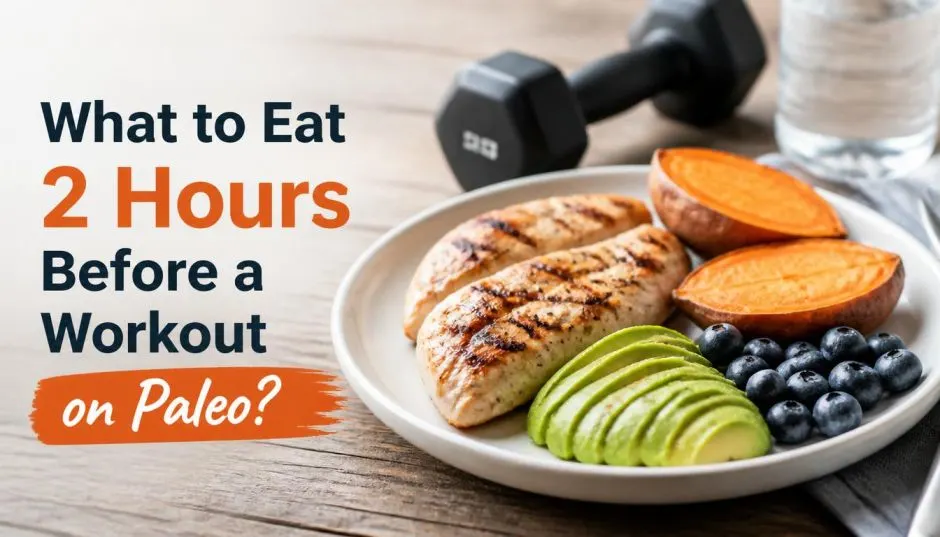
Read Also: What to Eat 2 Hours Before a Workout on Paleo Diet Guide?
For the flight itself, I pack more than I think I need. Flight delays happen. Tarmac waits happen. I once sat on a plane for four hours before takeoff. The guy next to me ate a sad turkey sandwich from a kiosk. I ate macadamia nuts and a Chomps stick. Not glamorous. But I wasn’t starving.
Jerky is your best friend here. So are nuts. Coconut flakes. A few squares of 85% dark chocolate for sanity.
TSA rules matter. Liquids over 3.4 ounces get tossed. Solid food is fine. Nut butter packets? Usually okay if they’re under the limit. I’ve never had jerky confiscated.
Research Your Destination Before You Book
This step separates a good trip from a miserable one. You need to know what you’re walking into.
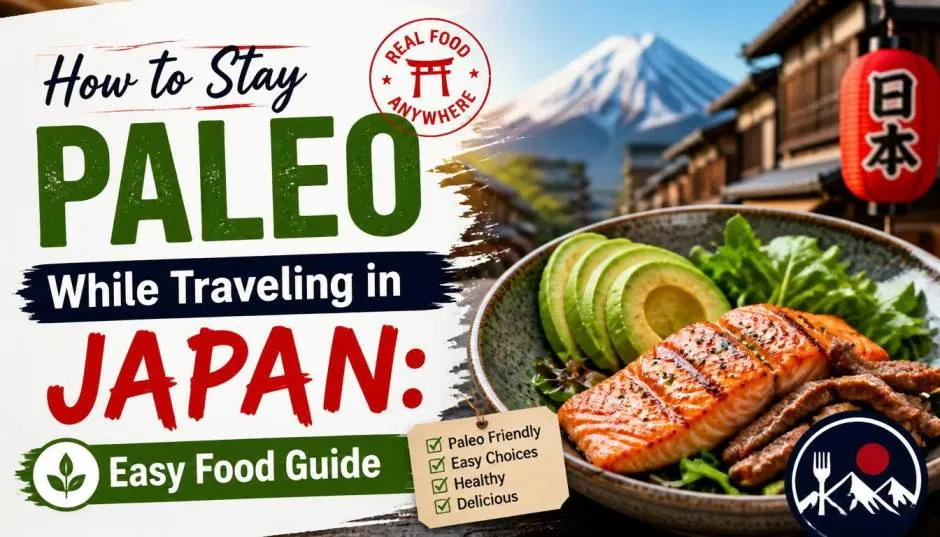
Some countries make Paleo easy. Argentina? Steakhouses everywhere. You order a steak, they bring you a steak. No pasta on the side unless you ask for it. Japan? Sashimi and grilled meat are everywhere. Just skip the rice.
Other places require more work. India was my biggest challenge. So much of the food involves rice, lentils, and bread. I asked an Indian friend for advice before I went. She told me what dishes would work—tandoori meats, some curries without cream, grilled vegetables. That one conversation saved me.
I check menus online before I land. I Google “paleo [city name]” and see if anyone has written about it. I look at grocery store chains near my hotel. Knowing there’s a Carrefour or a Tesco nearby changes everything.
Book a Place with a Kitchen
This is the single biggest thing you can do. A kitchen means control.
I look for Airbnbs or extended-stay hotels with at least a stovetop and a fridge. It doesn’t need to be fancy. I’ve cooked Paleo meals on a single burner in a Paris studio apartment. I’ve made salad in a hotel sink using a cutting board I bought at a corner store.
With a kitchen, your travel pattern changes. You eat breakfast in. Eggs, some fruit, maybe leftover vegetables from dinner. You pack lunch. You eat dinner out if you want, but you’re not dependent on restaurants for every single meal.
This saves money too. Traveling Paleo in Scandinavia is expensive. Grocery stores help.
The Restaurant Script That Works
I’ve had servers look at me like I’m from Mars. It happens. You get used to it.
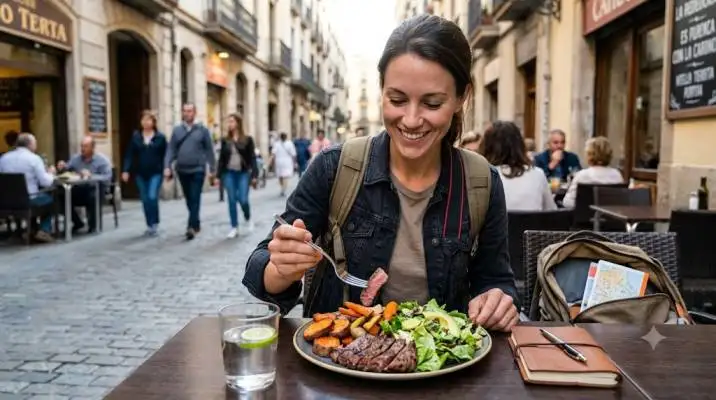
My approach: keep it simple and specific. “Grilled meat, no sauce, vegetables, olive oil.” That’s it. Don’t launch into a lecture about the Paleolithic era. They don’t care. They want to know what to bring you.
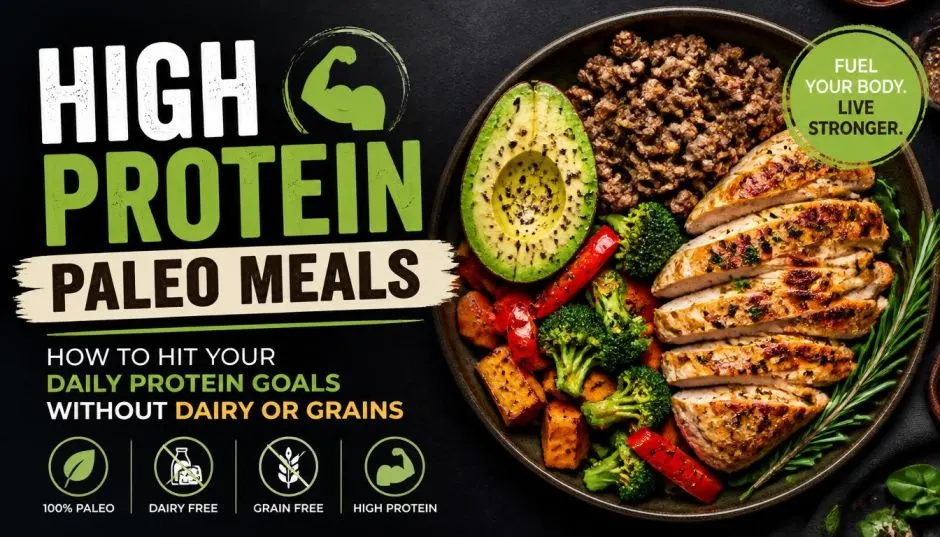
You Must Also Like: High Protein Paleo Meals: How to Hit Your Daily Protein Goals Without Dairy or Grains
Steakhouses are almost always safe. Order the ribeye. Ask for vegetables instead of the potato. Skip the bread basket.
Mexican food works if you’re careful. Fajitas without the tortillas. Meat, peppers, onions, guacamole.
Italian is the hardest. Pasta everywhere. But you can usually find a grilled chicken or a steak on the menu. Order a side salad with olive oil. Skip the pizza.
The phrase “allergies” helps. Even if it’s not a true allergy, servers take it more seriously than “dietary preference.” I don’t love stretching the truth. But when I was in Spain and asked for “no bread” and got bread anyway, I learned that “gluten allergy” gets better results.
Snacks Are Your Safety Net
I never leave my hotel room without something in my bag. A bag of almonds. A packet of coconut butter. A few meat sticks.
This habit has saved me more times than I can count. Delayed trains. Hotel restaurants closed on Sundays. That one time I got lost in Tokyo and couldn’t find anything familiar for hours.
Nuts travel well. So do plantain chips if you find the kind with just plantains, coconut oil, and salt. Dried fruit works but watch the sugar content. Some brands add sugar. Read the label.
Hard-boiled eggs are perfect if you have a fridge. I boil a batch on day one and eat them over the next few days.
The Two-Minute Reset
You will mess up. I have. I ate a croissant in Paris because it was 7 AM and I was cold and it smelled incredible. It happened. I didn’t die. My body didn’t fall apart.
What matters is what you do next. You don’t “make up for it.” You don’t punish yourself. You just go back to eating Paleo at your next meal.
One meal doesn’t define a trip. One choice doesn’t undo weeks of good eating. The next choice is what counts.
What I Actually Pack?
I keep a small kit in my carry-on. It weighs almost nothing and it’s saved me repeatedly.
A small salt shaker. Olive oil in a leak-proof container. A few spice packets—cinnamon, garlic powder, whatever I have.
A can opener if I’m checking a bag. A small knife goes in checked luggage only. TSA will take it otherwise.
Reusable utensils. A small cutting board. A few zip-lock bags.
This sounds excessive. It’s not. Having olive oil means a plain salad becomes a good salad. Having salt means boring grilled chicken becomes edible.
The Final Thoughts
Staying Paleo internationally isn’t about perfection. It’s about preparation and flexibility.
You will encounter foods you can’t eat. You will have awkward moments with servers and hosts. You will probably eat something that doesn’t fit the plan at some point.
That’s fine. The goal is consistency, not purity. Book a kitchen. Pack snacks. Learn a few phrases. Be kind to yourself when things go sideways.
The international travel paleo survival guide isn’t complicated. It’s just a set of habits that make the hard days easier. I’ve used them in more countries than I can count. They work.