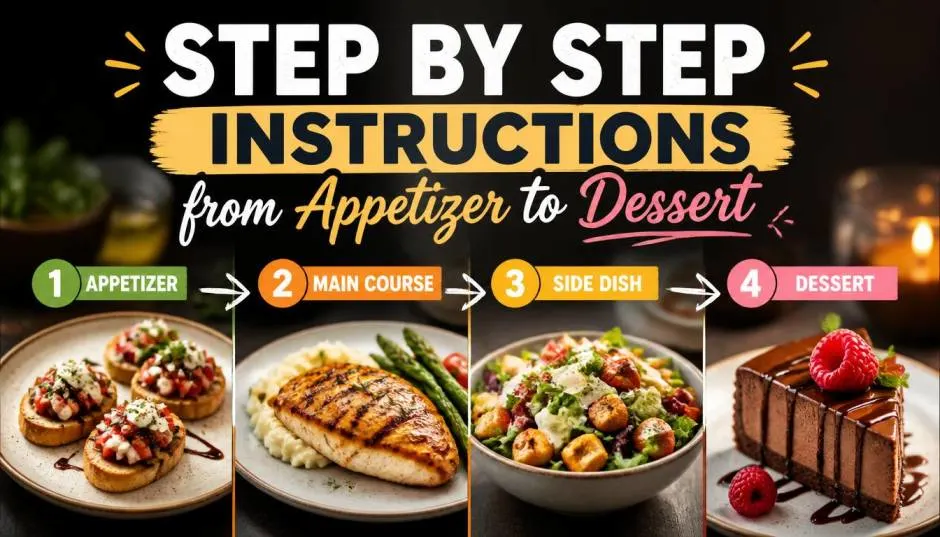
I cooked this exact menu for my in-laws last month. My father-in-law is a retired line cook who once sent back a steak at his own birthday dinner. He cleaned his plate. That's the only review that matters to me.
These step by step instructions from appetizer to dessert come from four test runs, two failures, and one burned batch of garlic bread I'm still annoyed about.
The Rule That Saves Three-Course Dinners

Don't cook three dishes. Cook one dish three times.
That sounds like a riddle. It isn't. Pick a single technique roasting, in my case and apply it to every course. One oven temperature. One timer. One mental checklist.
Read Also: Soft Almond Flour Roti Without Psyllium Husk Recipe
When I tried mixing searing, boiling, and baking in the same meal, I spent forty minutes running between stations like a bad cooking show contestant.
This menu roasts at 400°F. Start to finish. That's the whole trick.
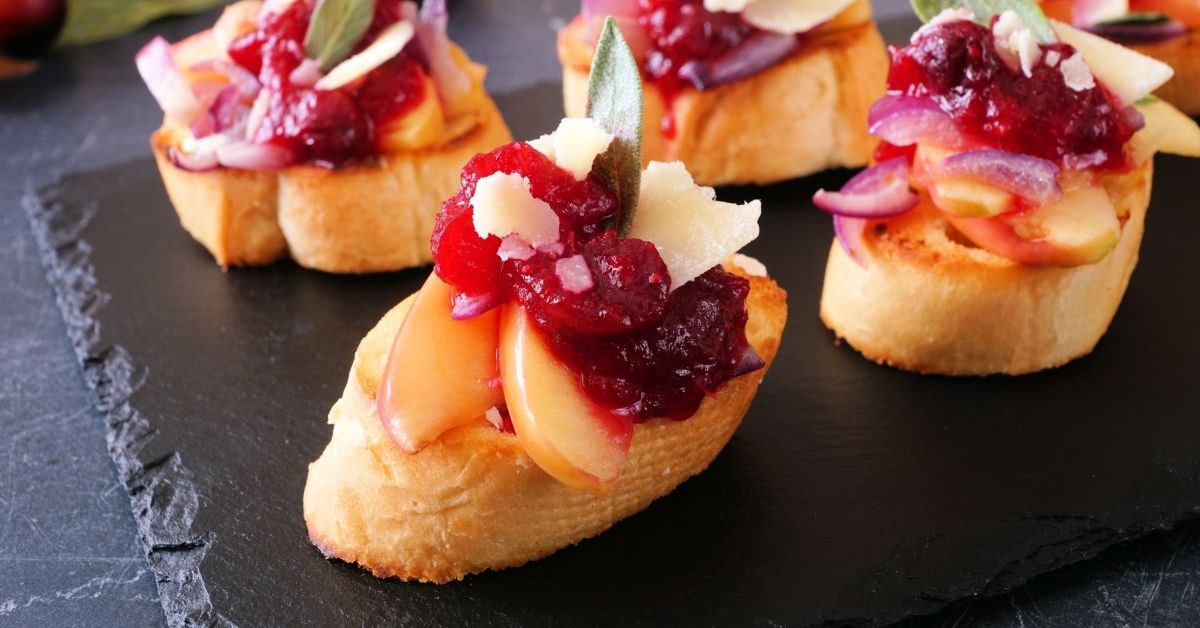
Appetizer: Roasted Tomato and Whipped Ricotta Toasts
Simple hot appetizer recipes usually fail for one reason: they need your hands at the worst possible moment. This one doesn't. What you do:
-
Halve a pint of cherry tomatoes. Toss with olive oil, salt, and three smashed garlic cloves.
-
Roast at 400°F for 20 minutes. They should slump and blister. Pull them early and they taste like warm salad.
-
While they roast, whip 8 oz whole-milk ricotta with 2 tbsp olive oil and a pinch of salt. Food processor, 60 seconds.
-
Toast thick sourdough slices on the same rack for the last 8 minutes.
-
Spread ricotta. Spoon tomatoes on top. Finish with torn basil and flaky salt.
The honest con: Ricotta quality swings wildly. I bought a $3 tub and a $7 tub from the same store. The cheap one was grainy and watery. The expensive one whipped into something silky.
If your budget is tight, drain the cheap ricotta in a sieve for 30 minutes first. It helps. It doesn't fully fix it.
Who this isn't for: Anyone avoiding gluten or dairy. There's no clean swap here. Don't force it.
Main Course: Roasted Chicken Thighs with Crispy Potatoes
The appetizer main course dessert flow only works if the middle course can sit. Chicken thighs forgive you. Chicken breast doesn't.
Why thighs: They stay juicy between 175°F and 195°F. Breasts dry out past 160°F. That margin matters when you're plating for four people and someone needs a refill.
The method:
-
Pat 8 bone-in thighs dry. Dry skin is crispy skin. Wet skin steams.
-
Season heavily with salt, pepper, smoked paprika, and a little brown sugar.
-
Toss halved baby potatoes with oil, salt, and rosemary. Spread on a sheet pan.
-
Nestle thighs skin-side up among the potatoes. Roast 40 minutes at 400°F.
-
Broil the last 3 minutes for color. Watch it. Broilers lie about their heat.
Real observation: The potatoes underneath the chicken soak up drippings and turn incredible. The ones on the edges get crispier. Move them around at the 20-minute mark if you care about evenness. I do. My wife doesn't. We've agreed to disagree.
Safety note: Bone-in chicken needs a thermometer. 175°F at the thickest part, away from bone. Guessing by color is how people get sick.
Dessert: Roasted Stone Fruit with Vanilla Mascarpone
Yes, it's still roasting. That's the point. One technique, three courses, zero oven-temperature juggling.
What you need: Four ripe peaches or plums, halved and pitted. Butter. Honey. Mascarpone. Vanilla. Crushed almonds.
The steps:
-
Butter a baking dish. Lay fruit cut-side up. Drizzle honey. Dot with butter.
-
Roast 15 minutes at 400°F. The fruit should soften but hold shape. Over-roasted peaches turn to jam.
-
Stir 1 tsp vanilla and 1 tbsp honey into 8 oz mascarpone.
-
Plate fruit warm. Add a spoon of mascarpone. Scatter toasted almonds.
Timing quirk: Roast the fruit while people eat the main course. It needs 15 minutes and no attention. Pull it out when you clear plates. Serve warm, not hot.
What goes wrong: Underripe fruit. A rock-hard peach stays rock-hard after roasting. Press the fruit at the store—slight give at the stem end means ripe. No give means wait a day on the counter.
The Full Step by Step Instructions from Appetizer to Dessert
| When | What |
|---|---|
| 1 hour before | Make ricotta whip. Refrigerate. Halve tomatoes. |
| 45 minutes before | Season chicken. Cut potatoes. Get sheet pan ready. |
| 40 minutes before | Chicken and potatoes into the oven. |
| 30 minutes before | Toast bread on lower rack. Set out ricotta and tomatoes. |
| Guests arrive | Assemble toasts. Serve. |
| 20 minutes into eating | Check chicken temp. Pull at 175°F. Rest 10 minutes. |
| After appetizer plates clear | Put fruit in the oven. Plate chicken and potatoes. |
| After main clears | Pull fruit. Add mascarpone. Serve. |
This sequence means you never have two things needing attention at once. The appetizer waits on the counter. The chicken rests while you eat. The fruit roasts while you talk.
Three Mistakes I Made So You Don't Have To
I burned garlic bread because I put it in with the chicken and forgot. Burnt garlic is bitter and there's no saving it.
You Must Also Like: 30 School Lunch Ideas That Take 5 Minutes (And Kids Actually Eat!)
I under-salted the chicken the first time. Bone-in thighs need more salt than you think about 1 tsp kosher salt per thigh. Less and the meat tastes flat no matter how good the skin is.
I roasted the fruit too early once. It sat for twenty minutes and turned to warm mush. Fifteen minutes, straight from oven to plate. That's the window.
The Final Thoughts
Buy the chicken thighs the day you cook them if you can. They keep two days in the fridge, but fresh tastes better and the skin crisps more reliably. Buy firm-but-giveable fruit.
Buy whole-milk ricotta, not part-skim. The fat carries the flavor and the texture.
Skip the fancy olive oil for roasting. Heat kills the delicate stuff. Use it raw—drizzled on the toasts, stirred into the mascarpone. That's where you taste the difference.